
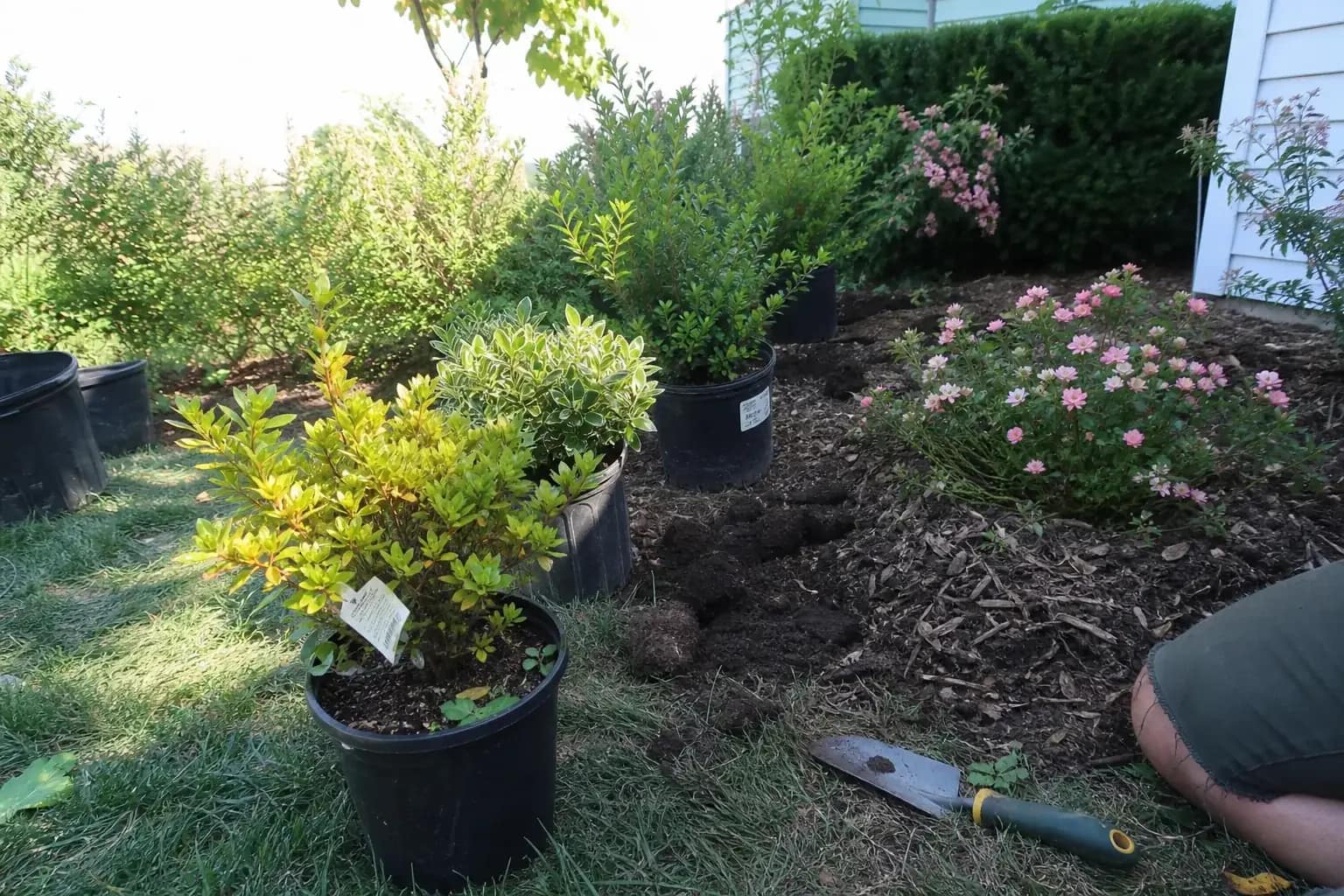
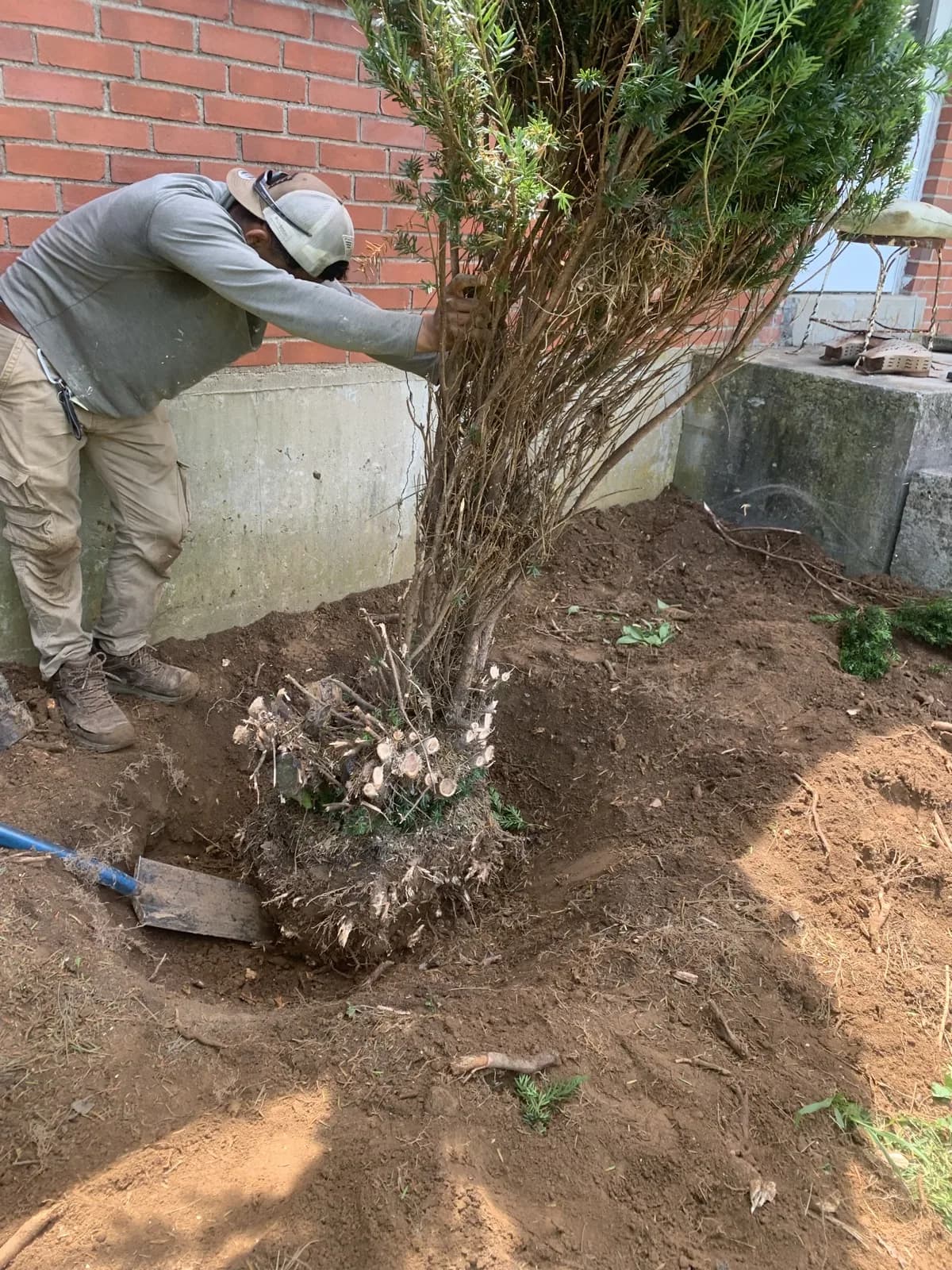
Start With the Area, Not a Shopping List
You do not need to know every plant before contacting us. A photograph of the area and a clear description of what bothers you are enough to begin.
Maybe old shrubs need to come out. Maybe you want evergreen structure without blocking the windows. One part of the property may need seasonal color while another needs to stay simple.
We look at what should remain, how the area is used, the available sunlight, drainage and the amount of maintenance you want after the planting begins to grow.
The plant list comes after we understand the property.
A New Bed May Look Open on Planting Day
Newly planted shrubs sometimes leave more visible space than a homeowner expects.
That is often deliberate.
Shrubs are spaced around the room they will need as they develop, not only the size of their containers on installation day. Packing every opening can make a bed look full immediately, but it can also lead to crowded plants, blocked windows and constant pruning.
We are not trying to sell the greatest number of plants. We are trying to give each one enough room to become part of the finished bed.
Foundation Planting Should Work With the House
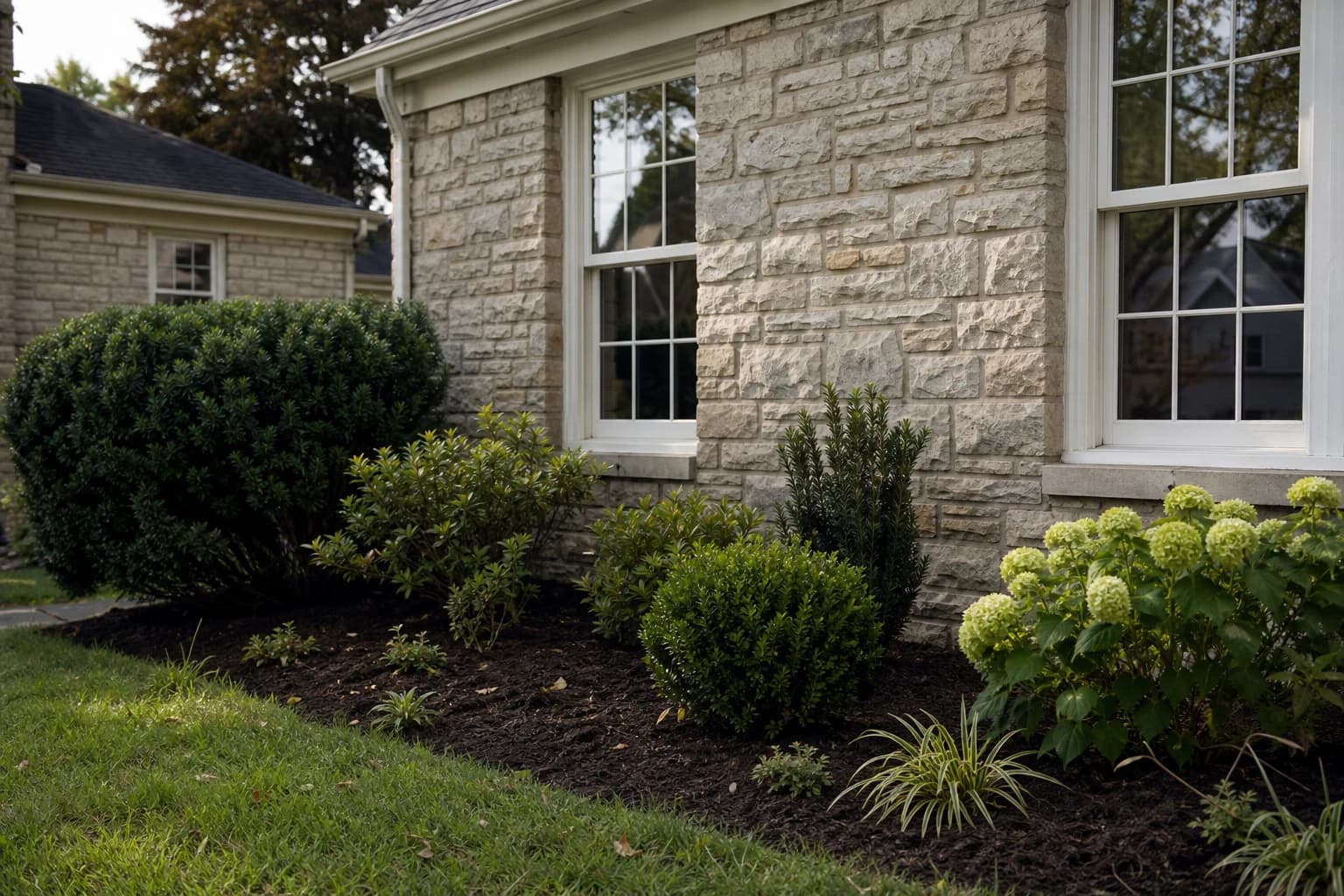
Foundation shrubs should frame a home without swallowing it.
Windows should remain visible. Steps and walkways should stay comfortable to use. Plants near an entrance should add structure without making the route to the door feel narrow.
We also consider which existing plants are worth keeping. A shrub does not need to be removed simply because the rest of the bed is changing. Sometimes the better project keeps what still works and replaces what no longer fits.
FROM OUR PROJECTS
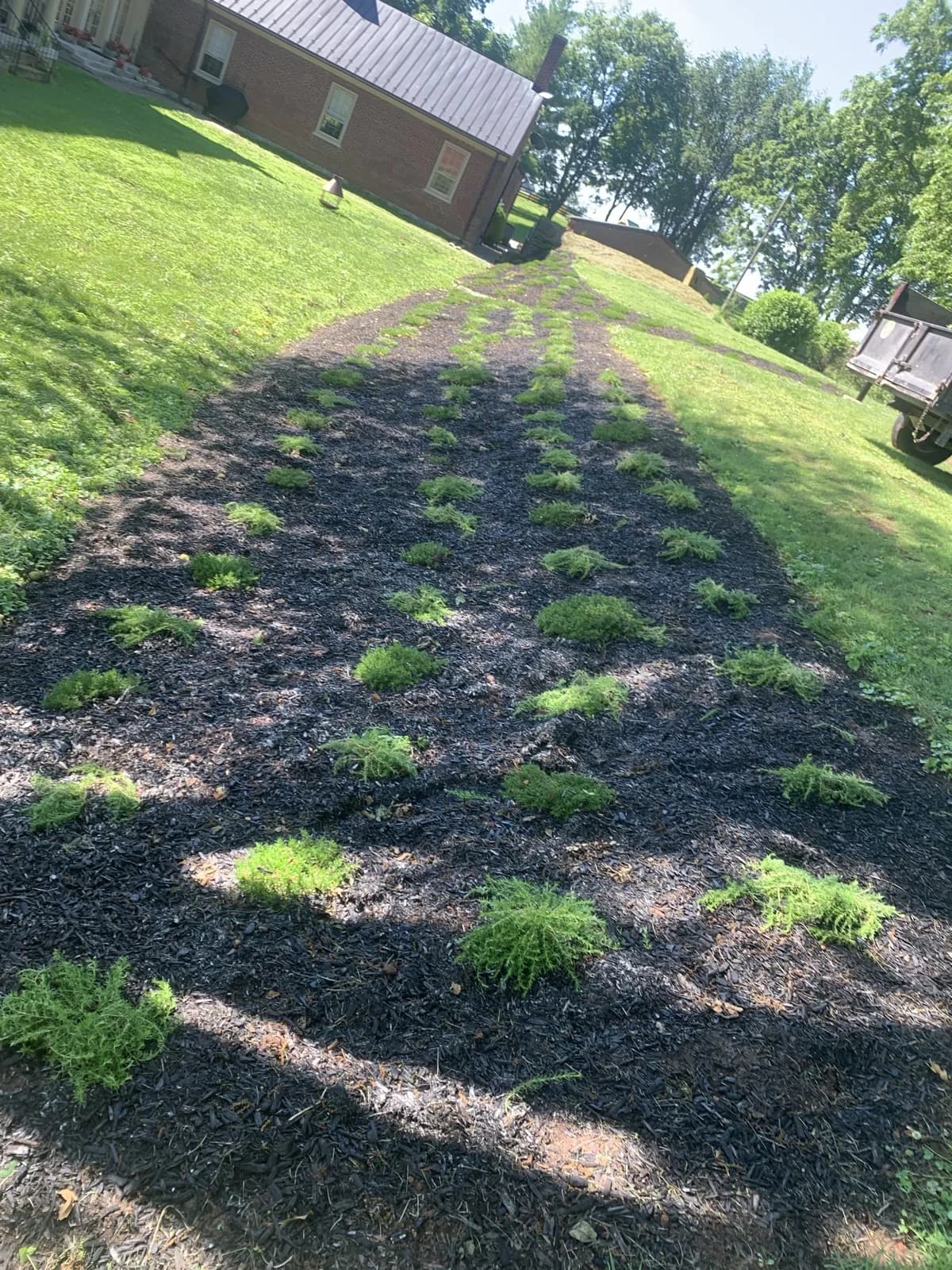
A Paris Farmhouse, Three Visits, and Three Different Planting Areas
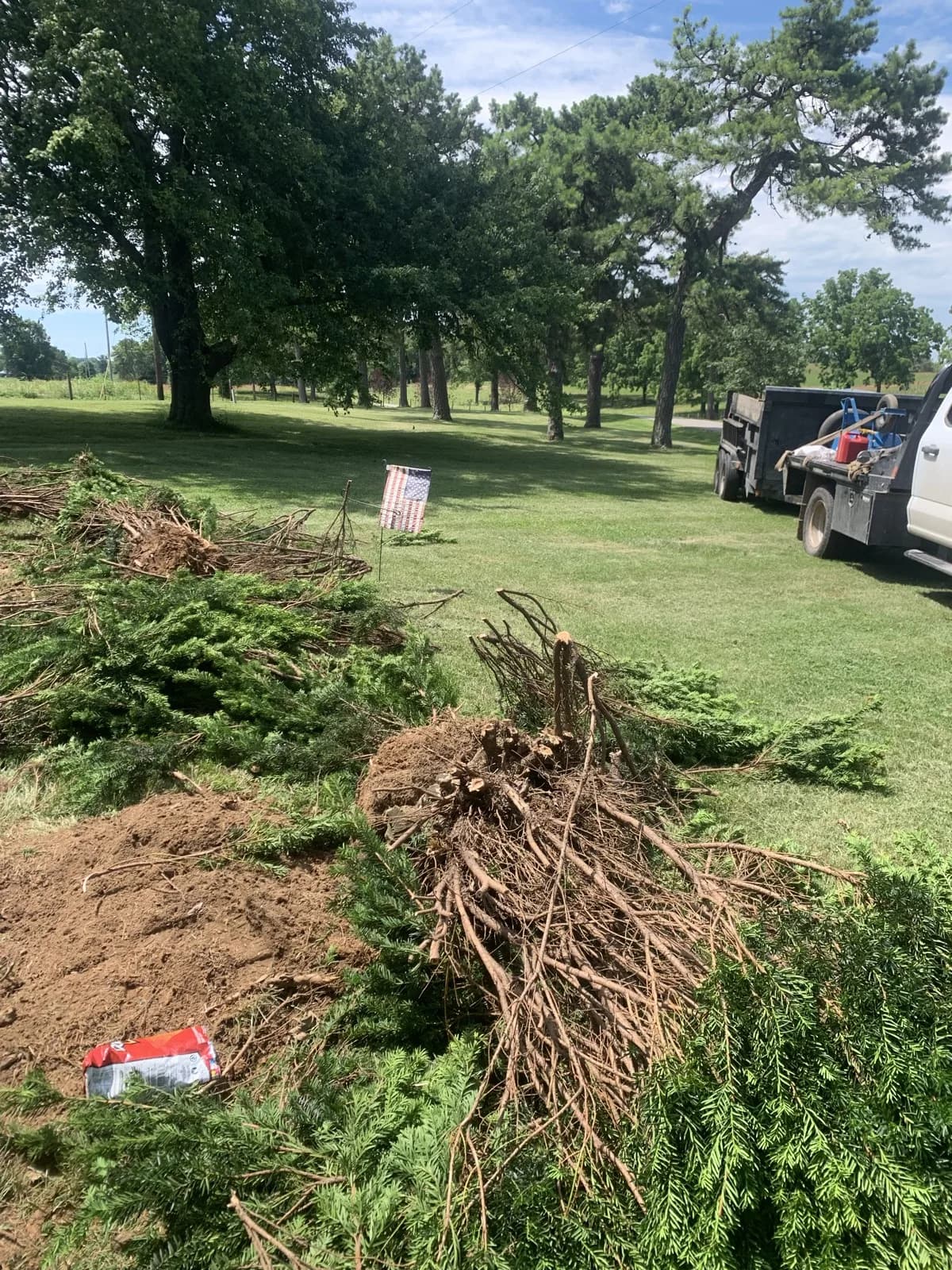
At a farmhouse on Cane Ridge Road outside Paris, overgrown taxus and old trunks needed to be removed before new planting could begin.
The work continued across three visits. We installed 15 foundation shrubs, including China holly, Green Mountain boxwood, lilac and dwarf Limelight hydrangea. Boxwoods added structure beside the walkway.
A separate hillside bed was planted with 95 phlox plants for seasonal color. Butterfly bush was added nearby, and nine yards of hardwood mulch were installed around the new planting and existing sugar maples.
The foundation, walkway and hillside were all part of the same property. Each area still needed its own purpose and planting approach.
See the Paris farmhouse planting projectA Garden Can Be Useful and Still Look Finished
A Lexington client wanted an area where they could grow produce, not another landscape bed they were afraid to touch.
The finished space included wood-framed garden beds organized around a gravel walkway. Rounded shrubs and dark mulch gave the walkway structure while keeping the produce beds easy to reach and use.
It became a garden connected to the home rather than a collection of boxes placed in the yard.
See the Lexington walkway and garden project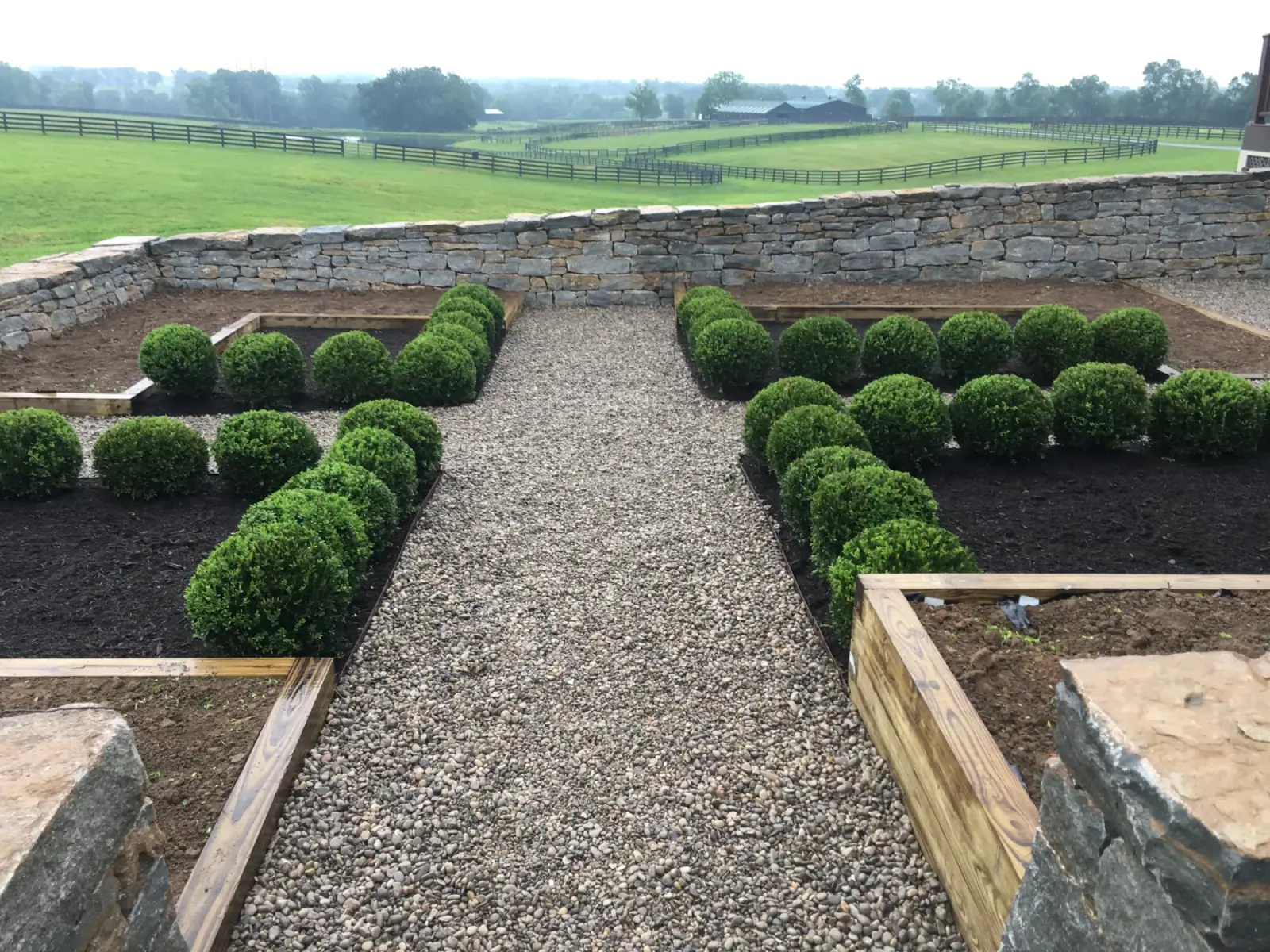
Shrubs Need Care After Planting, Too
A bed may look complete when the mulch is finished, but the plants are only beginning to establish.
New shrubs and perennials need consistent watering while their roots begin growing into the surrounding soil. Warm weather, wind and dry conditions can change how quickly the root balls lose moisture.
We explain the initial watering expectations before leaving the property. Qualifying installations are backed by a one-year limited plant warranty when the provided watering guide is followed.
Read about plant care and warrantyFAQ
Common Questions
Can you replace old shrubs?
Yes. Removal can be included when old or overgrown shrubs are part of the project. We review what should be removed, what may be worth keeping and how the removal affects the new planting area.
Do I need to know which plants I want?
No. Photographs of the area and an explanation of what you want changed are enough to start. If you already have plant preferences, include them.
What kinds of shrubs and plants can you install?
Depending on the property and availability, projects may include boxwood, holly, hydrangea, lilac, ornamental grasses, perennials and other landscape plants.
Can you plant only one bed?
Yes. A project may involve one foundation bed, a walkway, an entrance, or several planting areas across the property.
Can mulch be included?
Yes. Mulch and bed finishing can be included when they are part of the planting scope. The estimate will explain what is included.
Do shrub installations have a warranty?
Qualifying installations include a one-year limited plant warranty when the provided watering instructions are followed.
START WITH A PHOTO
Show Us the Bed You Want to Change
Send the property address and photographs of the area from a few angles. Tell us what should stay, what may need to come out and what you want the finished planting to accomplish. If you already have plants or colors in mind, include them. If you do not, that is completely fine.