
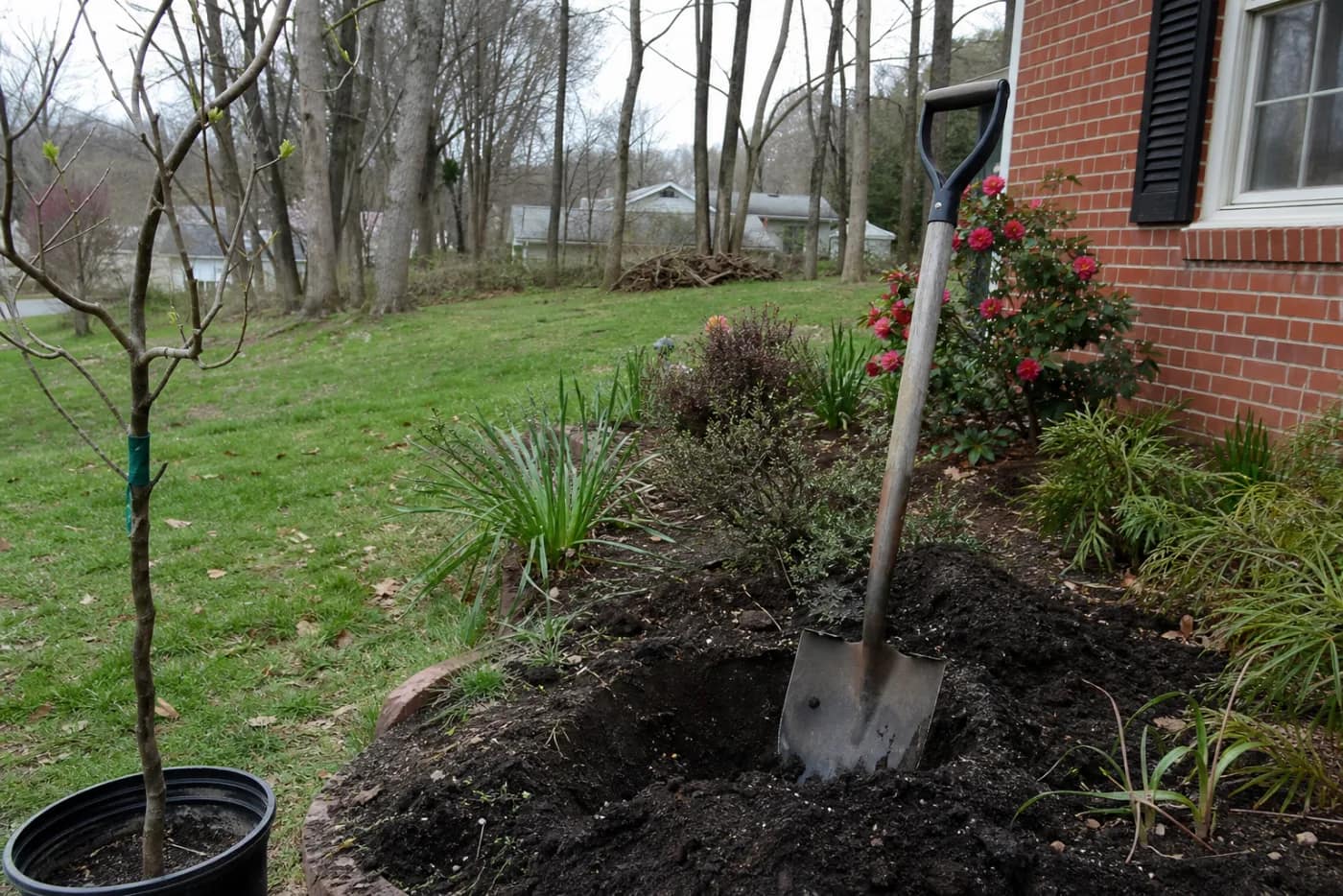
WHEN SHOULD YOU PLANT?
The Ground May Be Workable. That Does Not Mean Today Is the Best Day.
Kentucky has two primary tree planting seasons: spring and fall.
Late fall is one of the strongest windows for many deciduous trees. Spring often works well and may be the better fit for bare-root trees and many evergreens. Summer planting is possible, but heat and water demand are at their highest.
A good planting date gives the tree a better start. It also needs to fit the property, the condition of the tree, and the amount of watering the homeowner or property manager can realistically provide.
THE KENTUCKY PLANTING YEAR
What Each Season Means for a New Tree
These are practical planting windows, not rigid deadlines. Actual soil and weather conditions still decide whether a specific day is suitable.
- 01
Late winter and early spring
Before active growth begins
A strong window for many evergreens, bare-root trees, and deciduous trees that are still dormant. The soil needs to be workable, not frozen or saturated, and every tree should be watered after planting.
- 02
Late spring
As temperatures begin to rise
Planting can still be successful, but warmer days increase water demand. The closer the project gets to summer, the more important it becomes to check moisture inside the original root ball instead of judging only by the soil surface.
- 03
Summer
Possible with a dependable care plan
Container-grown and balled and burlapped trees can be planted in summer, but heat, wind, and dry soil leave less room for missed watering. The tree stock, installation, and first-season care all need to be right.
- 04
Early fall
After the hardest summer heat
A good window when the weather moderates and reliable water is available. Evergreens still need enough time and moisture to begin establishing before winter conditions arrive.
- 05
Late fall and early winter
A strong window for many Kentucky trees
University of Kentucky guidance identifies late October through about the end of December as an especially good period for many trees. Cooler air reduces demand on the canopy while the soil can remain warm enough for root activity.
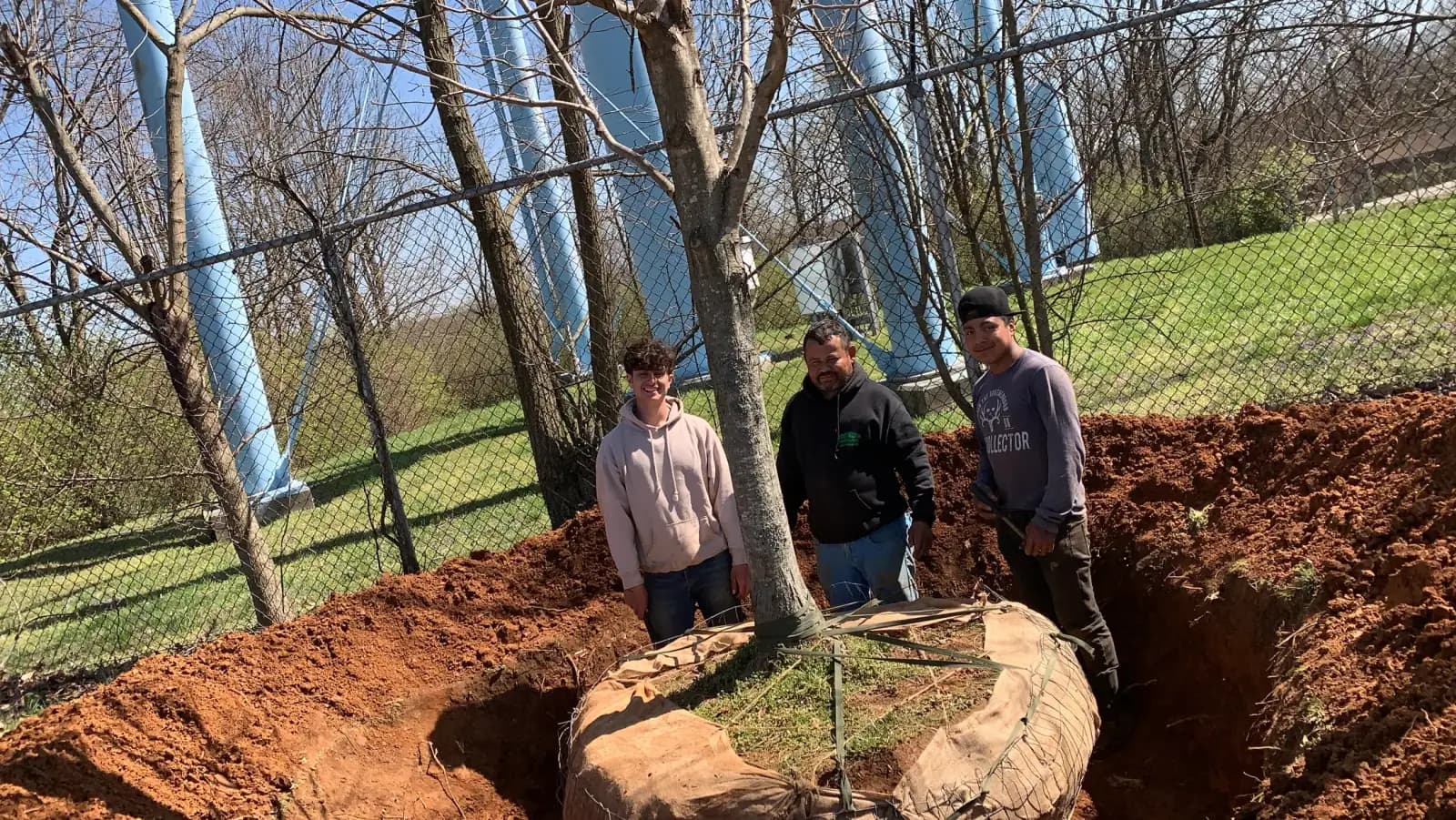
WHY FALL WORKS
The Top of the Tree Is Slowing Down While the Ground Is Still Working
A leafless tree loses less water through its canopy, while the soil often cools more slowly than the air.
That combination can give roots time to begin establishing before the tree needs to support spring leaves and new growth. Fall also gives many deciduous trees more time in the ground before Kentucky summer heat arrives.
Dormancy does not remove the need for care. A fall-planted root ball still needs to be watered after installation and checked when the soil is dry and temperatures are above freezing.
WHEN SPRING IS BETTER
Some Trees Belong on the Spring Schedule
Spring is not a second-best season. For some tree stock and some properties, it is the right season.
Bare-root trees are generally planted while dormant and before active growth begins. Evergreens are also commonly planted in March or April. Spring may offer better nursery availability, and the homeowner can see the planting as the rest of the property comes back into growth.
The tradeoff is time. A spring-planted tree has fewer mild months before summer, so watering becomes more important as temperatures rise. That matters whether the project involves shade and deciduous trees, an evergreen privacy screen, or choosing what size tree to plant.
PLANTING DURING HOT WEATHER
Can We Plant in July? Sometimes. The Watering Plan Decides.
Healthy container-grown and balled and burlapped trees can be planted during summer. The challenge begins immediately. The tree has lost part of its working root system, the soil is hot, and a full canopy may be losing water every day.
Summer planting is less forgiving, so we work through six questions before treating it like a routine installation.
- 01
Is water available close to the planting area?
- 02
Who will check every new tree during hot weather?
- 03
Can the original root ball be watered deeply instead of receiving a quick surface spray?
- 04
Will the site add stress through wind, reflected heat, or full afternoon sun?
- 05
Does the soil drain, or will frequent watering leave the root ball saturated?
- 06
Will someone be away during the first few weeks after planting?
If those answers are unclear, waiting for a better planting window can protect both the tree and the investment.
THE CALENDAR IS ONLY ONE PART OF THE DECISION
Orlando Does Not Choose a Planting Date From the Month Alone
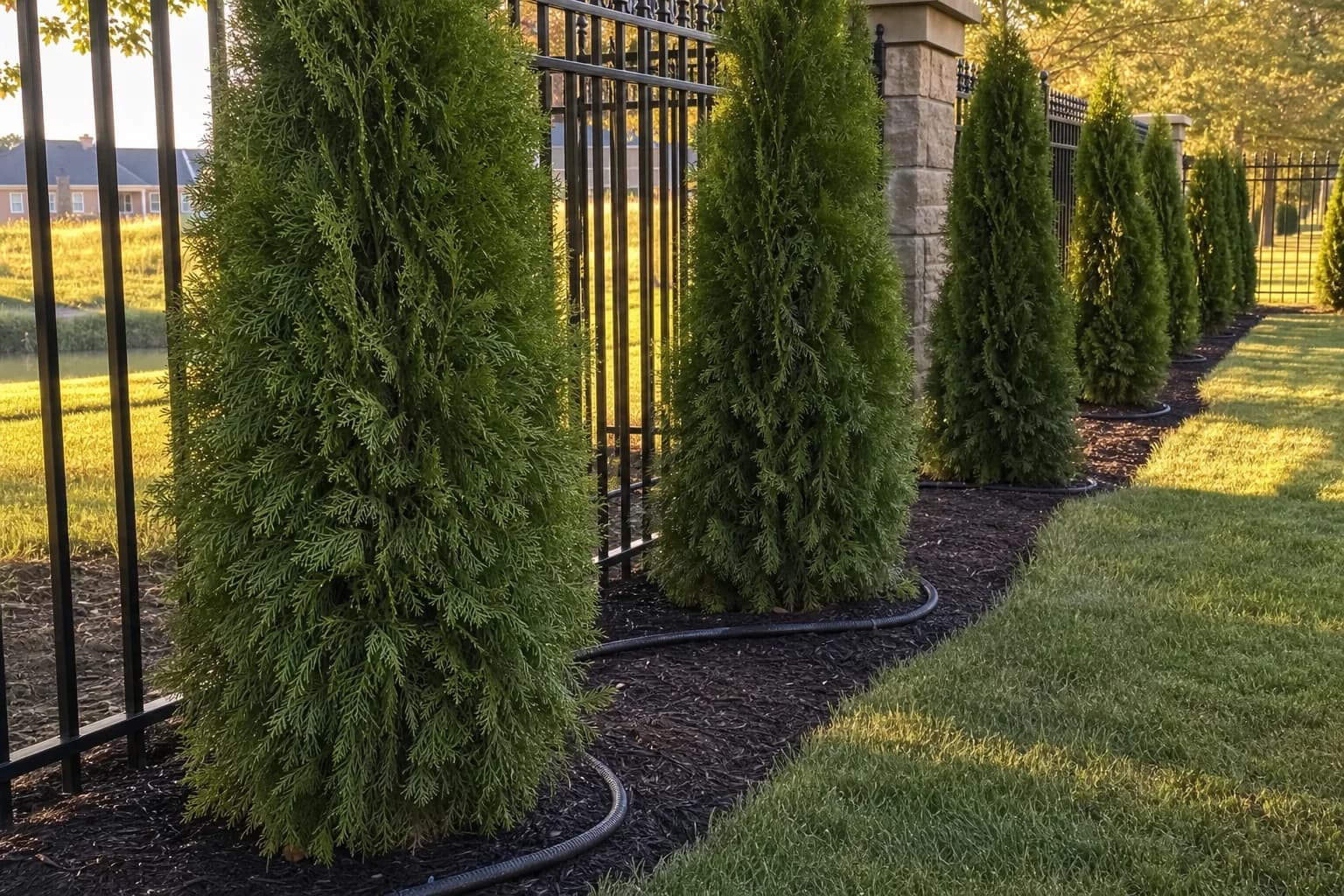
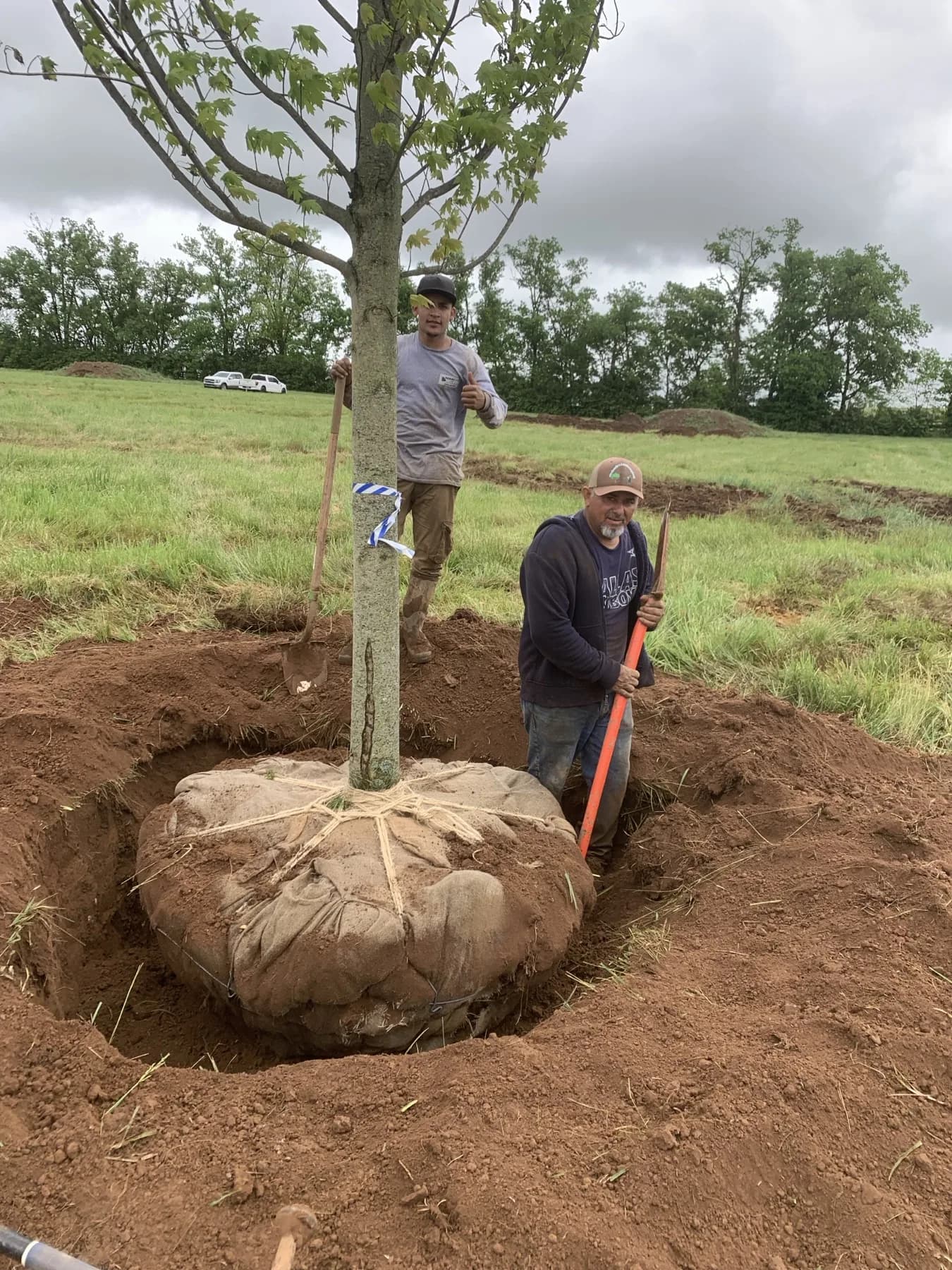
Orlando has planted trees across Kentucky for more than two decades. Before starting Big Tree Planting Co., he managed crews handling tractor-trailer loads of nursery trees. That experience taught him that the date is only one part of the job.
A dormant maple going into workable November soil is a different decision from twenty arborvitae scheduled for July. A large balled and burlapped oak may be ready at the nursery while the property is still too wet for equipment.
He looks at the tree, the root ball, soil moisture, the forecast, property access, and the watering plan. Sometimes the answer is to plant now. Sometimes the better answer is to wait.
Learn more about large tree planting, read the arborvitae planting guide, or see how the planting process works.
WHEN WAITING MAKES SENSE
Six Reasons We May Recommend a Different Date
- 01
Saturated soil
Working wet soil can damage its structure, make access destructive, and leave the new root system without enough oxygen.
- 02
Frozen ground
A calendar date does not make frozen soil plantable. The hole and surrounding soil need to be workable for a proper installation.
- 03
Extreme heat
A large tree with a full canopy may face more stress than the watering plan can realistically offset during a severe hot spell.
- 04
No dependable water source
A good planting date cannot compensate for a new root ball that will be allowed to dry out after the crew leaves.
- 05
Poor nursery stock or unavailable trees
Waiting for a healthy tree in the right size is often better than installing the wrong tree simply because it is available today.
- 06
Unsafe or damaging access
Soft ground, steep slopes, narrow gates, and other access problems can change when equipment should enter the property.
PLANTING IS ONE DAY
Establishment Continues Long After the Crew Leaves
The planting date changes how much stress a new tree faces. It does not replace aftercare.
University of Kentucky guidance emphasizes regular watering during the first year. The original root ball should not be allowed to dry out, and it should not remain saturated. The schedule changes with tree size, rainfall, soil, drainage, wind, temperature, and season.
We provide watering instructions after planting. Read the complete tree care and warranty guidance before the project begins so the person responsible for the tree knows what establishment requires.
FAQ
Common Questions
What is the best month to plant trees in Kentucky?
Late October through December is a strong window for many deciduous trees in Kentucky. Early spring can be the better season for evergreens and bare-root trees. Actual soil moisture, weather, and the tree's condition matter more than choosing one month for every project.
Is fall or spring better for planting trees in Kentucky?
Fall is often excellent for deciduous trees because the canopy is dormant while the soil may remain warm enough for root activity. Spring is also a good planting season and can be better for evergreens and bare-root trees. Watering and site conditions still affect the result.
Can trees be planted in Kentucky during summer?
Yes, healthy container-grown and balled and burlapped trees can be planted in summer when a dependable watering plan is in place. Summer is less forgiving because heat, wind, and a full canopy increase water demand immediately after planting.
Can trees be planted in Kentucky during winter?
Sometimes. Planting can continue while the soil is workable and not saturated. Frozen ground, extremely wet soil, or property access that would damage the site are good reasons to wait.
What is the best time to plant arborvitae in Kentucky?
Early spring and early fall are useful planting windows for arborvitae. Because arborvitae retain foliage through winter, they need consistent moisture and enough time to begin establishing before severe cold or summer heat.
KENTUCKY HORTICULTURAL GUIDANCE
Sources Used for This Guide
The seasonal guidance on this page is based on University of Kentucky forestry and horticulture resources, combined with our experience planting trees on Kentucky properties.
- University of Kentucky Urban Forest Initiative: Fall is for Planting
- University of Kentucky Forestry Extension: Planting Trees
- University of Kentucky: Fall Optimum Time to Plant Many Trees and Shrubs
- University of Kentucky Extension: Fall Is a Good Time to Plant Trees and Shrubs
- University of Kentucky: Planting Balled and Burlapped Trees and Shrubs
PLAN THE ACTUAL PROJECT
The Best Planting Date Starts With the Tree and the Property
Send the property address, photos, what you want planted, and when you hope to complete the work. We can review tree availability, soil conditions, access, delivery, equipment needs, and the watering plan before setting the scope.