
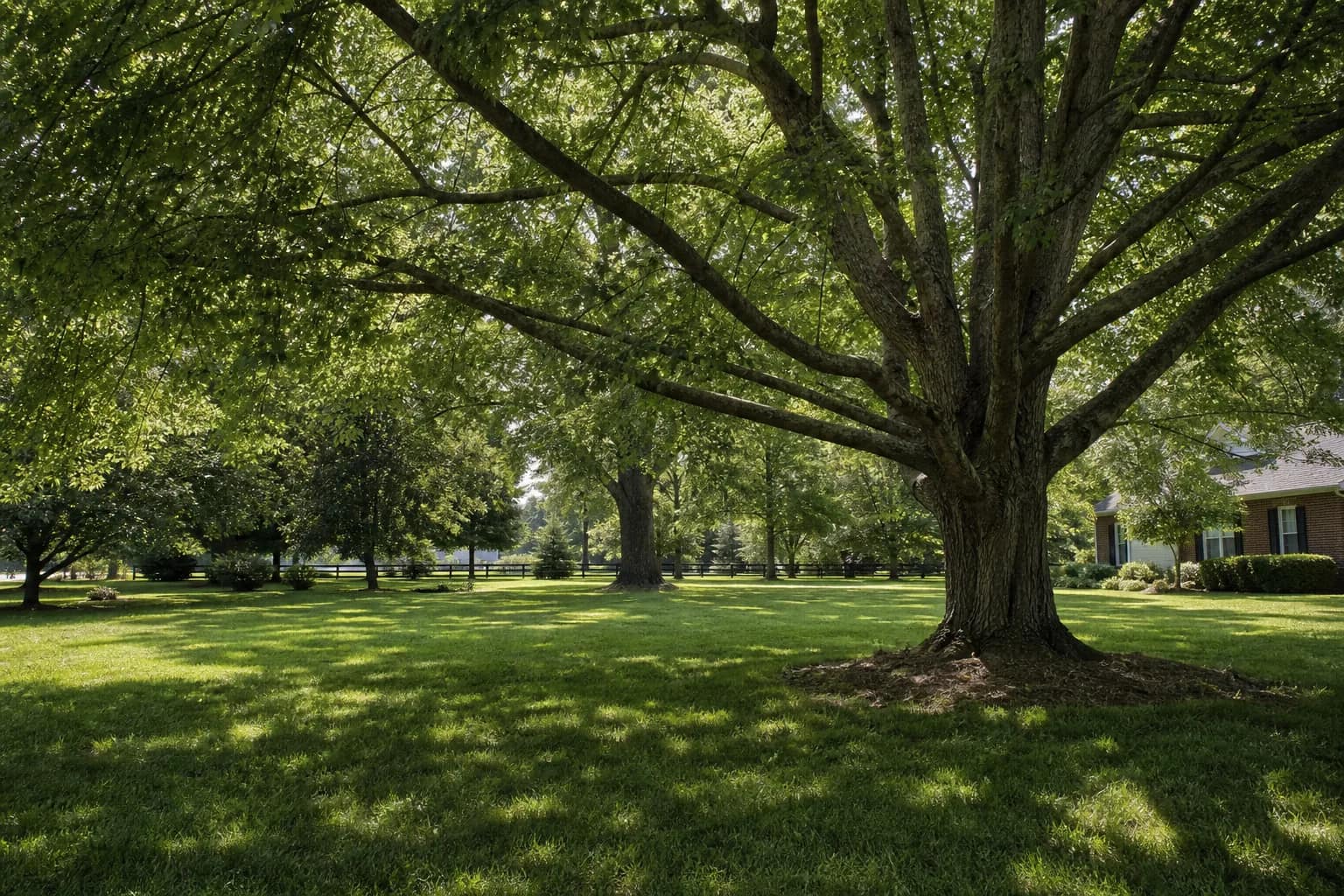
MOST PEOPLE START WITH A TREE NAME
Orlando Starts With the Property
How much room does the tree have? Is the ground slow to drain? Are we creating shade, spring color, privacy, or something large enough to belong on a farm?
Someone sees a maple, oak, redbud, or dogwood they like and asks whether it will work in their yard. After working with tractor-trailer loads of trees across Kentucky, Orlando has seen how differently the same tree can perform from one property to another.
A good tree in the wrong location is still the wrong tree.
WHAT SHOULD THE TREE CHANGE?
Four Different Reasons to Plant Lead to Four Different Tree Lists
- 01
Shade for a home or open lawn
Oaks, blackgum, Kentucky coffeetree, and some maples can develop into substantial shade trees when they have enough room. See our shade and deciduous tree planting service.
- 02
Spring color near the home
Redbuds, dogwoods, and serviceberries bring flowers and seasonal interest without the scale of a full-sized shade tree. See our flowering and ornamental tree planting service.
- 03
A tree for moist or heavier ground
Swamp white oak, bald cypress, and river birch are useful trees to compare when the site holds more moisture. The amount of standing water and the condition of the soil still matter.
- 04
Year-round privacy
Privacy planting is a different decision from choosing a shade or flowering tree. Our Kentucky evergreen guide compares arborvitae, spruce, pine, holly, redcedar, and other evergreen options.
NINE TREES WORTH COMPARING
A Useful Starting List for Kentucky Properties
This is not a list of trees that belong everywhere. It is a group of Kentucky-friendly options with different sizes, forms, and site needs.
- 01
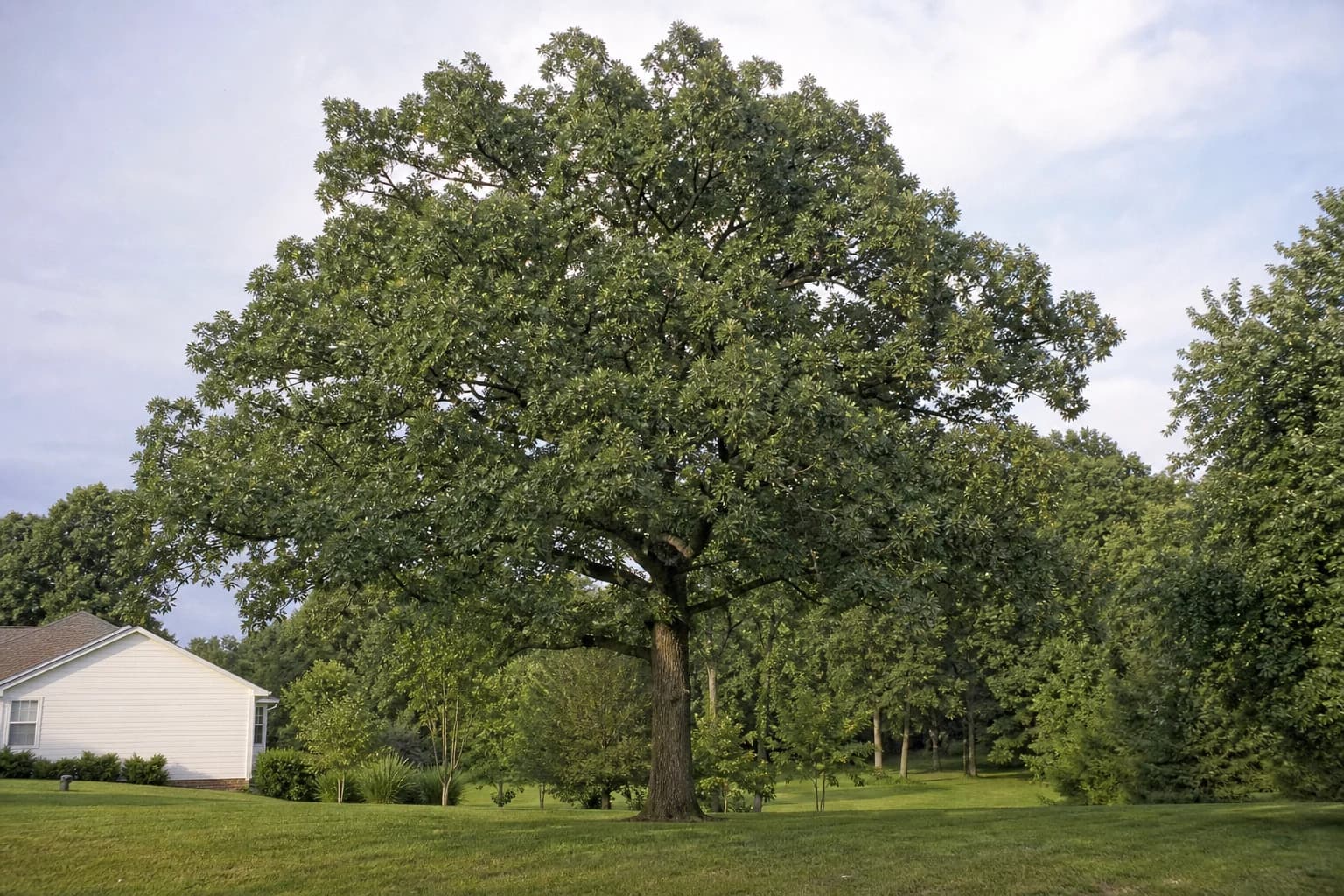
White oak
A large native shade tree for properties with plenty of long-term room. It is better suited to open lawns, farms, and estates than tight spaces near a house.
- 02
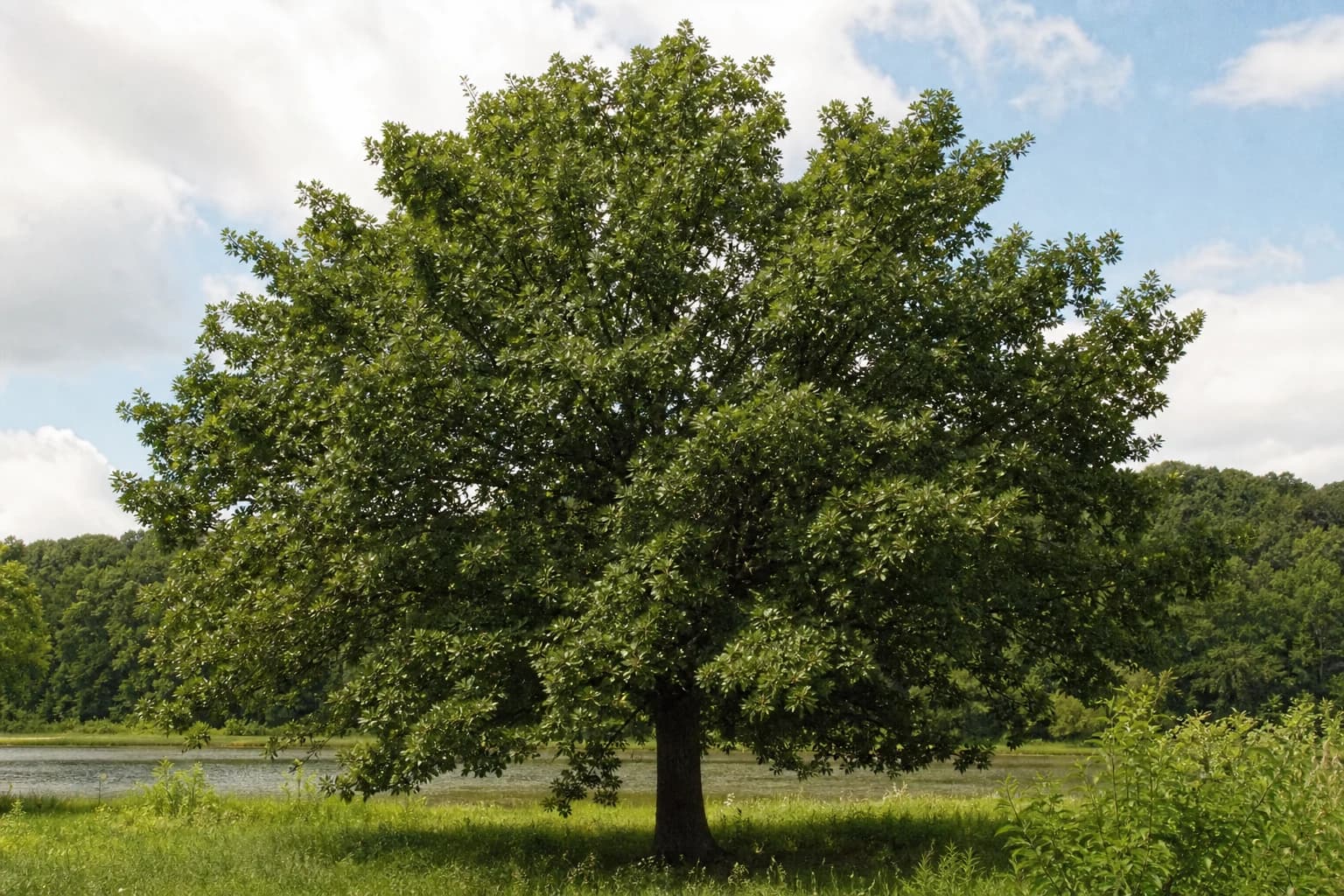
Swamp white oak
A strong shade-tree option for heavier or seasonally moist soil. It still needs room for its canopy and root system to develop.
- 03
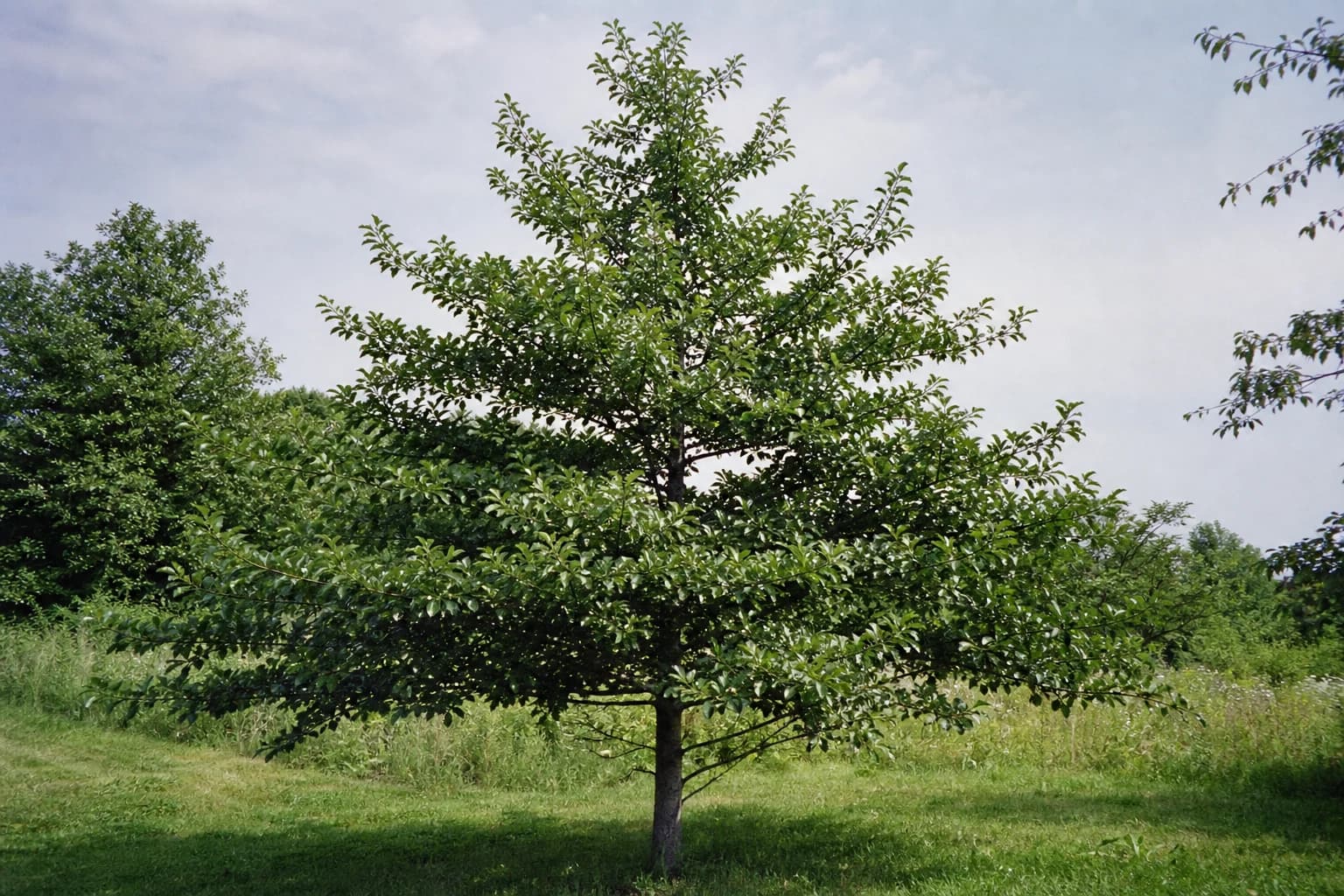
Blackgum
A native tree known for strong fall color and an attractive natural form. It can work as a lawn or specimen tree when the soil and drainage fit.
- 04
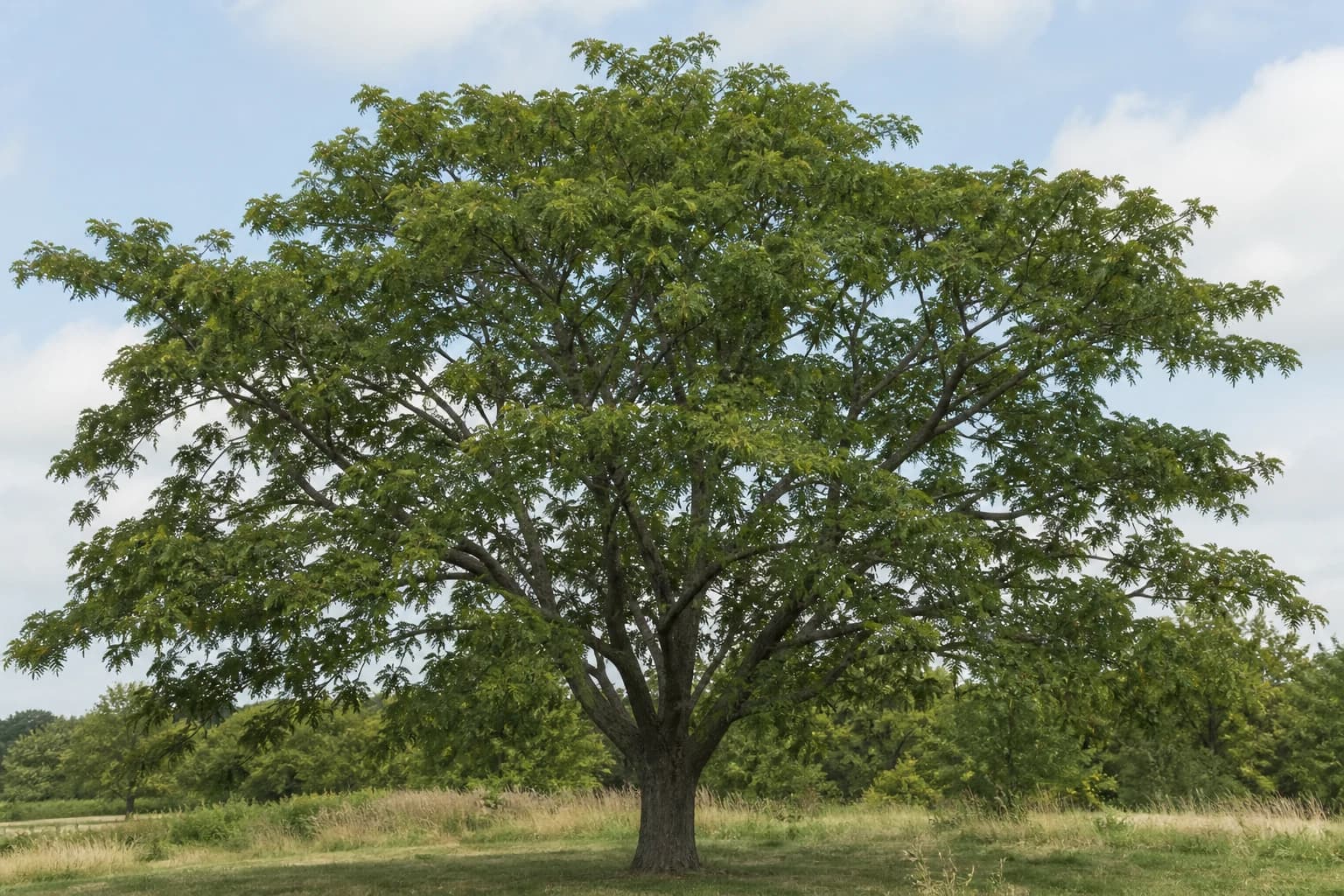
Kentucky coffeetree
A tough native tree with an open branching structure and plenty of character. It belongs in a larger space where its eventual size will not become a problem.
- 05
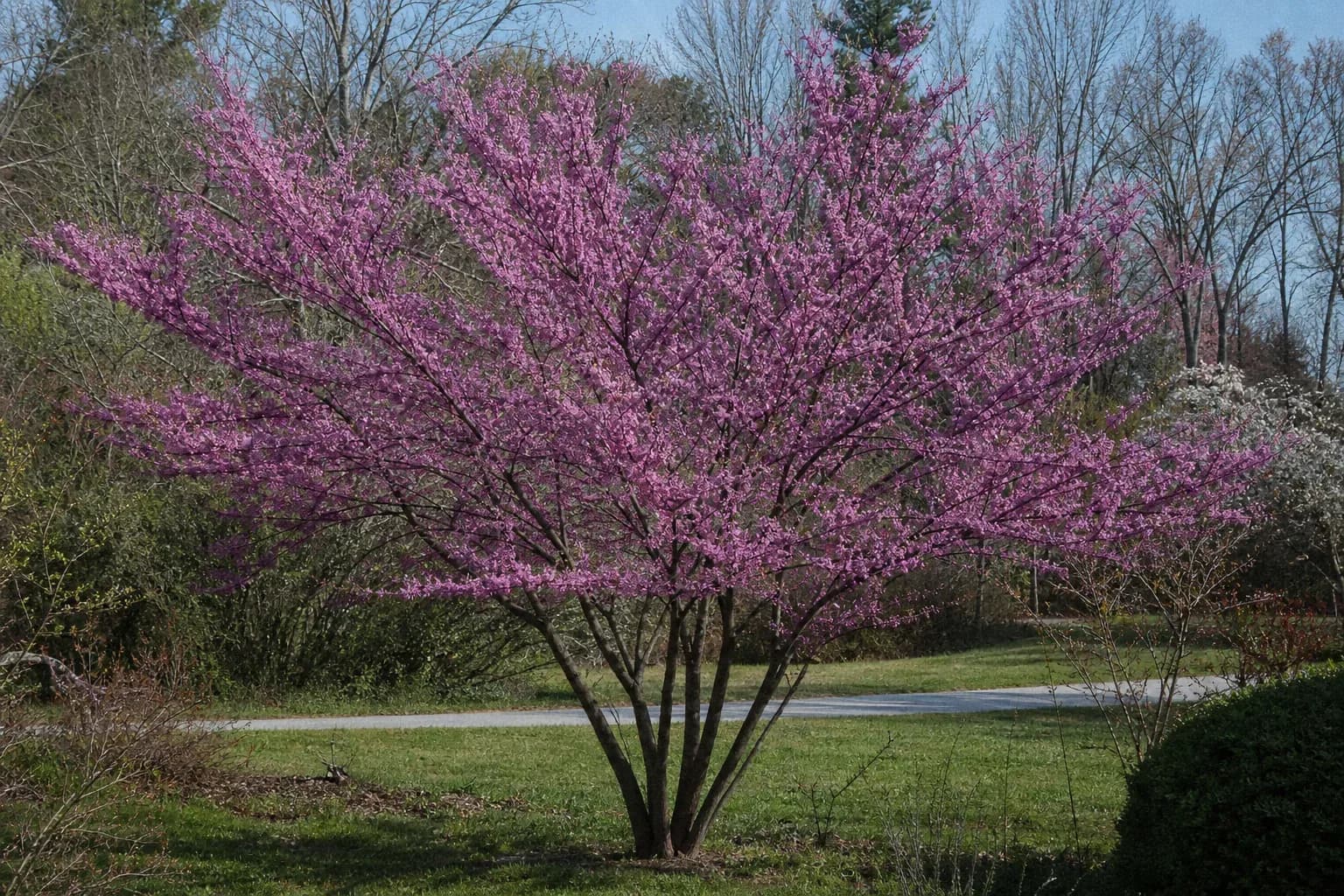
Eastern redbud
A smaller flowering tree that brings color early in spring. It works well near homes, along woodland edges, and where a large canopy would be too much.
- 06
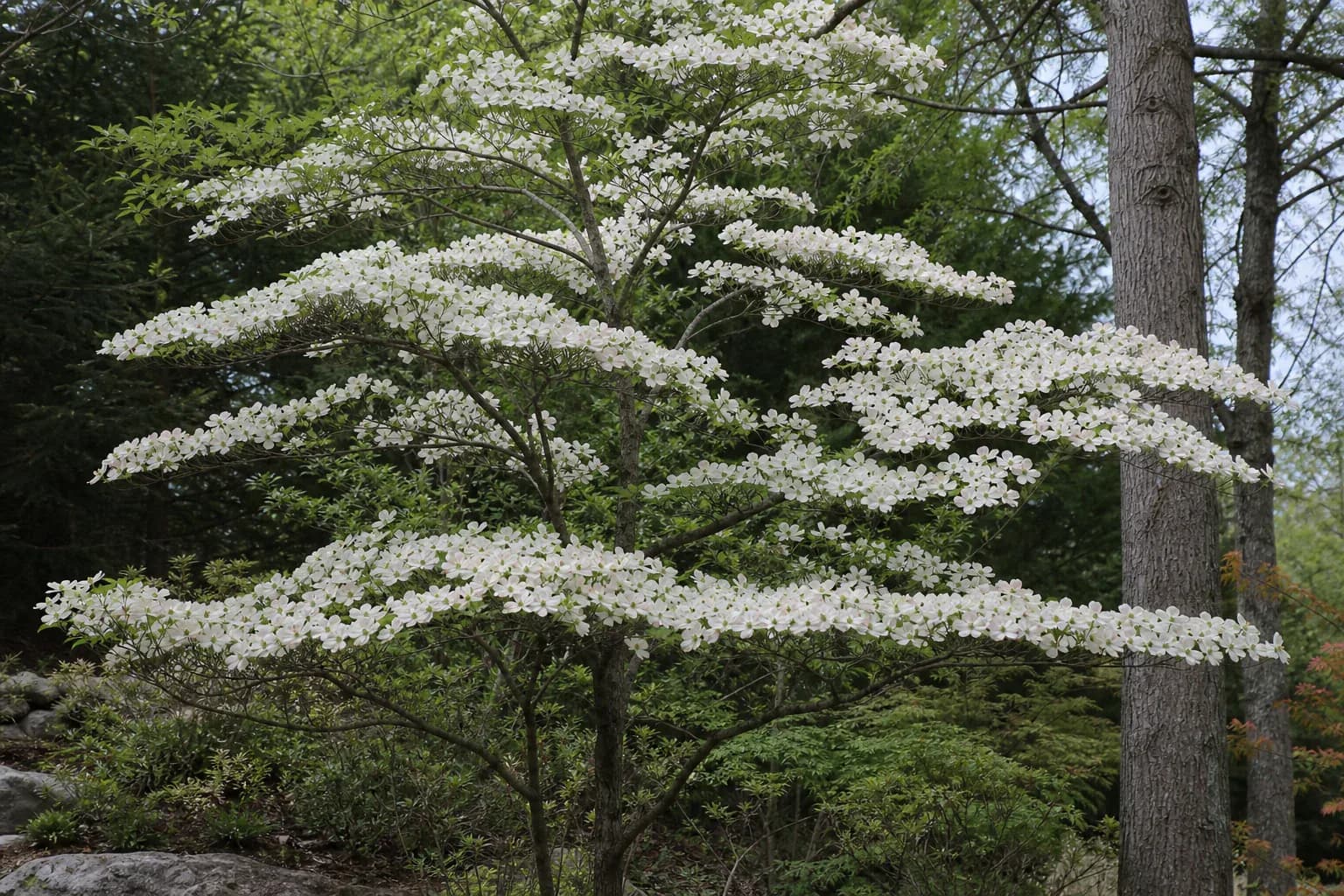
Flowering dogwood
A familiar Kentucky flowering tree that deserves careful placement. Good drainage, suitable light, and protection from difficult conditions matter.
- 07
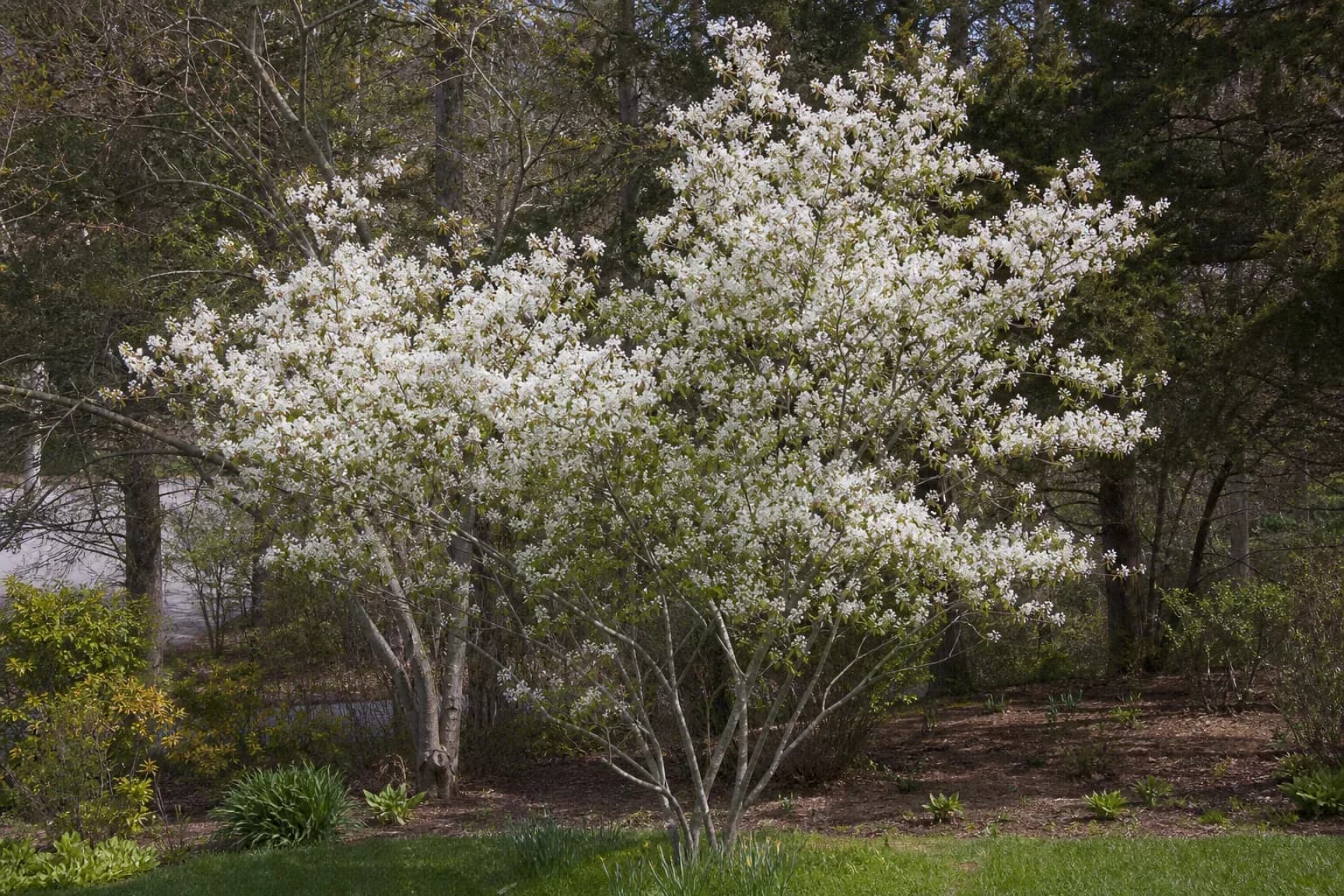
Serviceberry
A smaller tree with spring flowers, fruit, and fall color. It can fit front yards and landscape beds where a large shade tree would overwhelm the space.
- 08
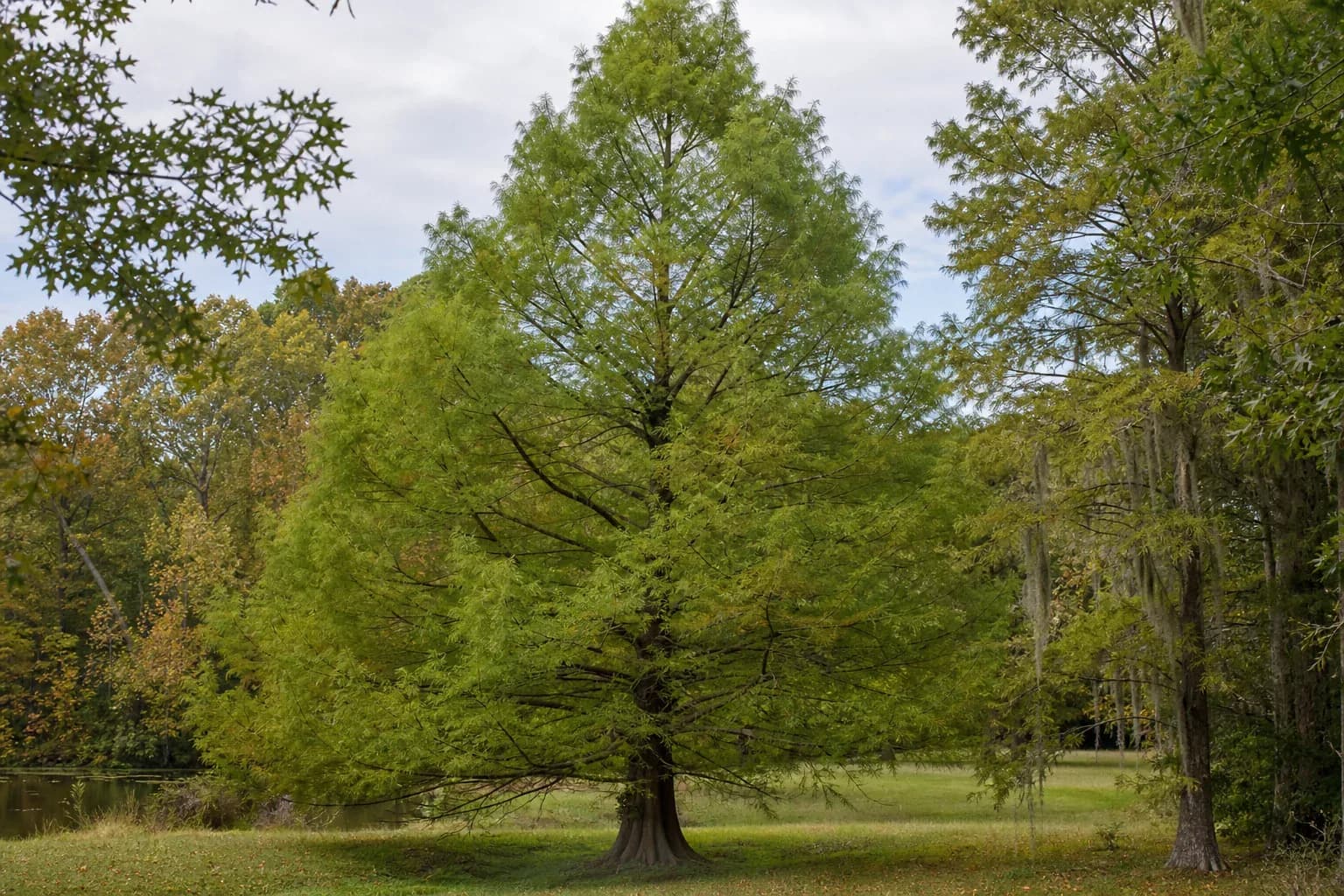
Bald cypress
A distinctive tree worth considering for moist or periodically wet ground. It becomes a substantial tree, so it should not be treated as a small wet-area ornamental.
- 09
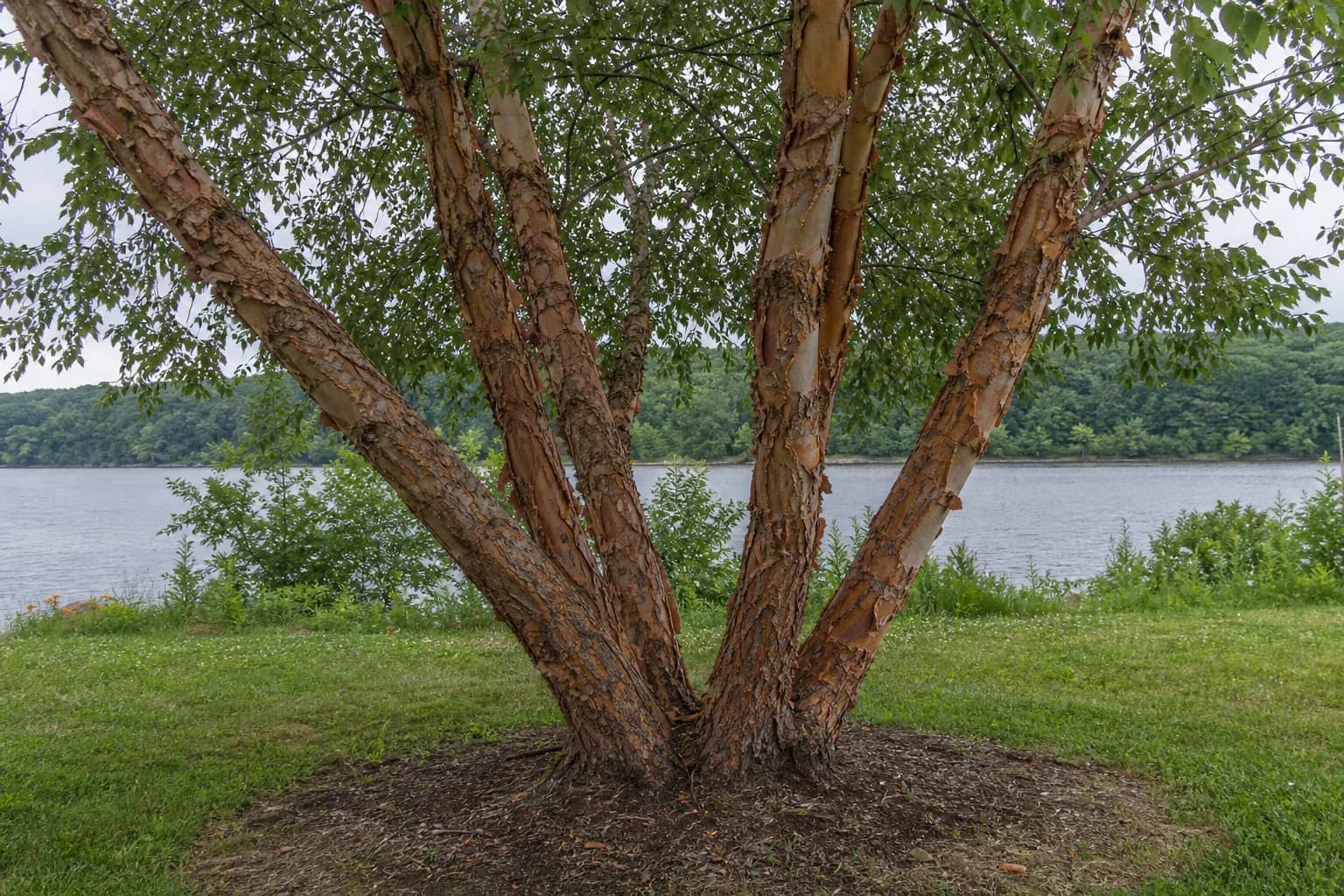
River birch
A useful option for moist ground with peeling bark that provides winter interest. It often develops multiple trunks and needs more room than it appears to need at the nursery.
KENTUCKY CLAY SOIL
Clay Soil Is Not One Condition
Some Kentucky clay stays wet. Some becomes hard and dry. Construction traffic can compact it until roots and water have difficulty moving through it.
That is why a label saying a tree tolerates clay does not settle the decision. On slower-draining ground, we may compare swamp white oak, bald cypress, or river birch. On a different clay property, the better answer may be changing the planting location or choosing a tree that handles the available moisture more effectively.
The planting hole should be wide, but it should not be dug deeper than the root ball. Heavily changing only the soil inside the hole can create a place where water collects instead of moving into the surrounding ground. Read the University of Kentucky planting guidance.
THE PROPERTY CHANGES THE ANSWER
A Front Yard and a Horse Farm Need Different Trees
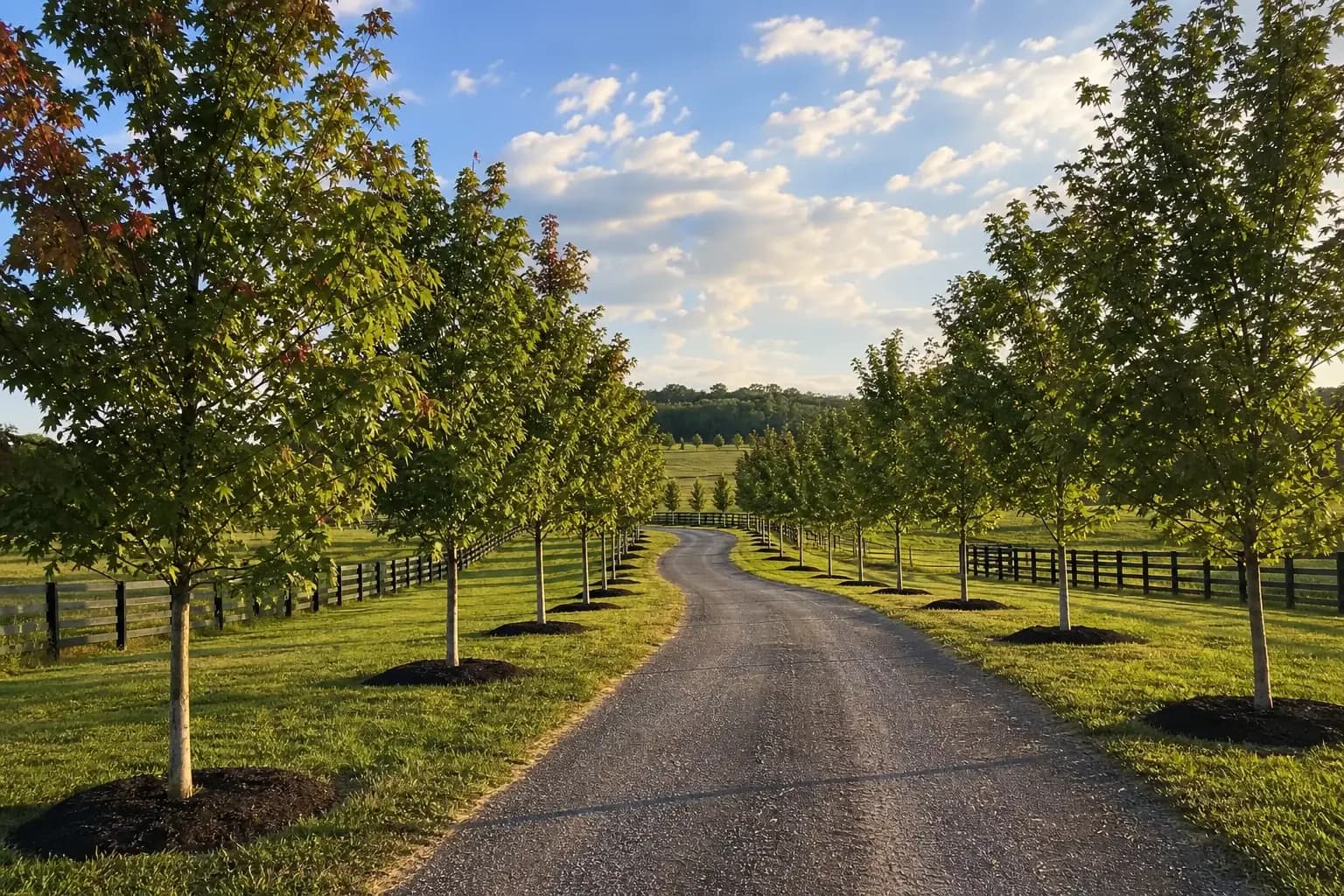
A front-yard tree has to work with the house, driveway, utility lines, and neighboring property. A farm tree may have more room above ground but face wind exposure, livestock, equipment traffic, or a much longer watering route.
The property also changes the right starting size. Once the species is narrowed down, our tree-size guide explains how caliper, height, root-ball size, access, and immediate impact fit together.
REPLACING A BRADFORD PEAR
Replace the Job the Tree Was Doing
Bradford pears became popular because they grew quickly and produced heavy spring flowers. Their weak branching, short useful life, and invasive spread have made them a poor long-term choice.
Kentucky's Bradford Pear Bounty program recommends native replacements such as redbud, serviceberry, and dogwood. The right replacement depends on whether you want flowers, shade, a smaller mature size, or a stronger tree for an open lawn.
Read the University of Kentucky Bradford pear guidance.FAQ
Common Questions
What is the best shade tree to plant in Kentucky?
White oak, swamp white oak, blackgum, and Kentucky coffeetree are strong trees to compare when the property has enough room. The best choice depends on soil drainage, mature space, sunlight, and the location of structures and utilities.
Which flowering trees grow well in Kentucky?
Eastern redbud, flowering dogwood, and serviceberry are useful Kentucky flowering trees to compare. They have different light, drainage, size, and placement needs.
What trees grow in Kentucky clay soil?
Swamp white oak, bald cypress, and river birch are worth comparing on heavier or moister ground. Kentucky clay varies, so actual drainage and compaction matter more than the word clay alone.
Should I plant a native Kentucky tree?
Native trees can be excellent choices when the species fits the specific property. Native status does not replace checking mature size, soil moisture, sunlight, and available growing room.
What should I plant instead of a Bradford pear?
Eastern redbud, serviceberry, and flowering dogwood are native flowering replacements worth comparing. The best replacement depends on the available space and whether the goal is flowers, shade, or a smaller ornamental tree.
KENTUCKY HORTICULTURAL GUIDANCE
Sources Used for This Guide
Tree selection and planting guidance are based on University of Kentucky resources, combined with our experience planting trees on Kentucky properties.
SHOW US THE PROPERTY, NOT JUST THE TREE NAME
You Do Not Need to Know the Exact Tree Yet
Send us a few photographs, the property location, and what you want the planting to accomplish. We can help narrow the tree, starting size, delivery plan, and planting location.