
The privacy tree calculator formula
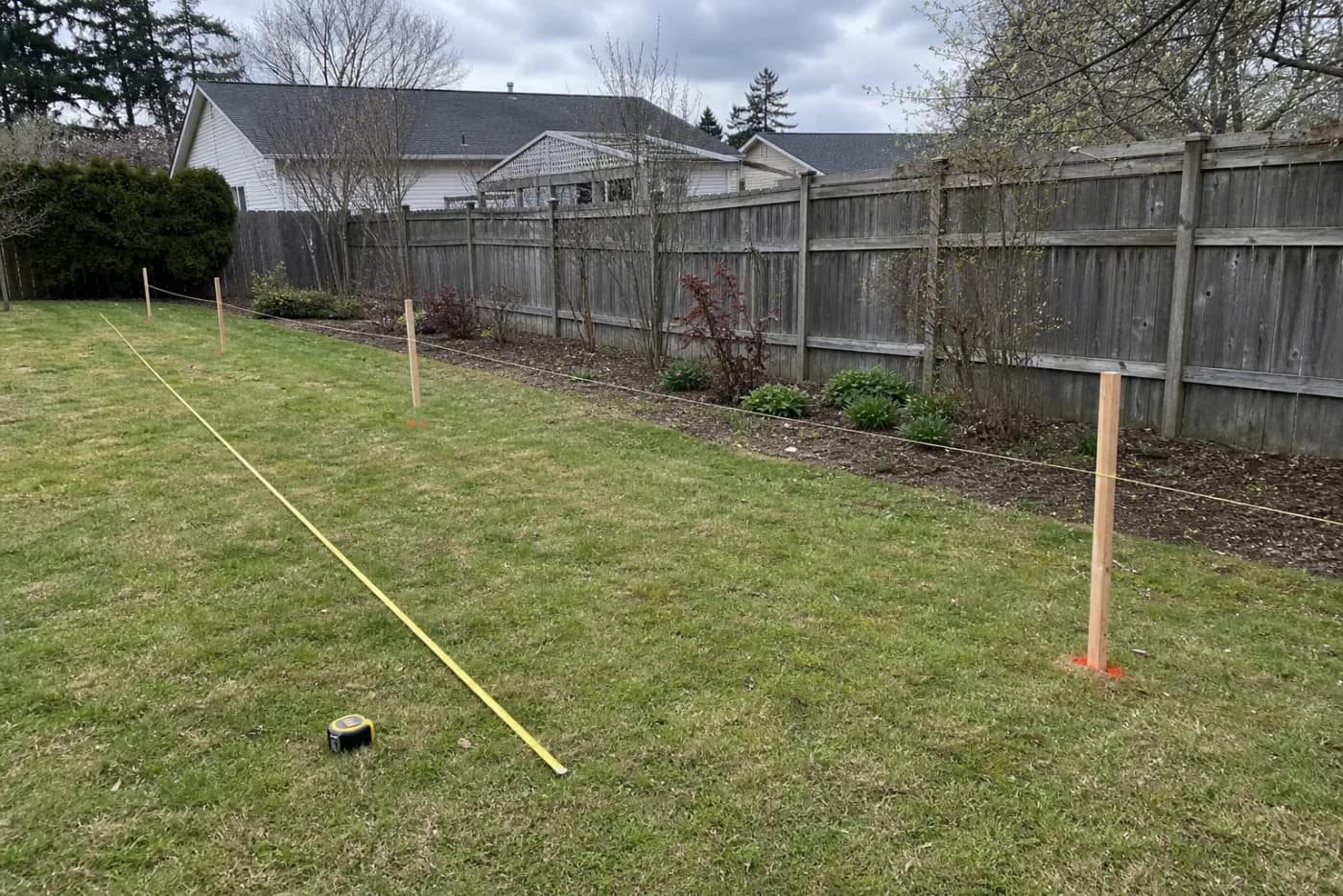
Our privacy screen spacing calculator formula is simple: (Total Length ÷ Spacing) + 1. If you have 50 feet of fence and want Emerald Greens spaced 3 feet apart: (50 ÷ 3) + 1 = 17.6 (round up to 18 trees).
QUICK ANSWER
To calculate how many privacy trees you need, divide your fence length by the spacing distance, then add one. For a 100 foot property line with trees spaced 5 feet apart: (100 ÷ 5) + 1 = 21 trees.
The privacy tree calculator formula: Our privacy screen spacing calculator formula is simple: (Total Length ÷ Spacing) + 1. If you have 50 feet of fence and want Emerald Greens spaced 3 feet apart: (50 ÷ 3) + 1 = 17.6 (round up to 18 trees).
Number of arborvitae for fence line examples: For a 100 foot property line: at 4-foot spacing you need 26 trees; at 5-foot spacing you need 21 trees; at 8-foot spacing you need 13 trees.
Staggered privacy trees math: If planting staggered privacy trees in a double row, calculate the number of trees for one row and multiply by two, or divide your total length by half the spacing.
GUIDE
Our privacy screen spacing calculator formula is simple: (Total Length ÷ Spacing) + 1. If you have 50 feet of fence and want Emerald Greens spaced 3 feet apart: (50 ÷ 3) + 1 = 17.6 (round up to 18 trees).
For a 100 foot property line: at 4-foot spacing you need 26 trees; at 5-foot spacing you need 21 trees; at 8-foot spacing you need 13 trees.
If planting staggered privacy trees in a double row, calculate the number of trees for one row and multiply by two, or divide your total length by half the spacing.
DECISION SUPPORT
Spacing should not only solve the first-year gap. The row also needs enough room for mature width, airflow, fence clearance, and future maintenance access.
Sun, drainage, deer pressure, available depth, and desired height can change whether a narrow arborvitae, a large evergreen, or a mixed screen is the stronger fit.
Photos help, but row length, corners, gates, utilities, slopes, and overhead lines determine the practical layout and the number of trees needed.
ESTIMATE PREP
NEXT STEP
Send the property location, photos, rough row length or tree count, and what problem the planting needs to solve.
NEXT PAGES
Review privacy-screen options, evergreen layout choices, and site constraints before planning a row.
Arborvitae Spacing GuideUse this when tree count, row length, mature width, or planting distance is the next decision.
Arborvitae Privacy Row in LexingtonSee photos, scope details, and planning notes from a real planting project.
RELATED SERVICES
Standard shade, ornamental, and property tree installation.
Large Specimen TreesBalled-and-burlapped trees, delivery, access, and equipment logistics.
Evergreen & Privacy TreesArborvitae rows, mixed evergreen screens, and property line privacy.
Shrub & Landscape PlantingFoundation shrubs, garden beds, ornamentals, and curb appeal planting.
Estate & Farm PlantingLarge-property planting for farms, estates, entrances, and acreage.
Commercial & HOA PlantingBusinesses, developments, community entrances, common areas, and buffers.
Nursery Trees & ShrubsPlant material sourcing and selection for installed planting projects.
FAQ
That gives a rough count, but the final number should account for species, mature width, access, utilities, and the desired privacy timeline.
Yes. Share the row length, photos, and privacy goal when requesting an estimate.
NEXT STEP
Send the property location, photos, rough row length or tree count, and what problem the planting needs to solve.